


01
Persistent uncertainty
Visa, residency, financial or career uncertainty can keep your mind scanning for problems and make it difficult to relax between important decisions.
Online therapy in Farsi for anxiety, ongoing stress, overthinking, panic, social anxiety and the pressures Iranian immigrants and expats may face while living abroad.
You may be doing well on paper and still feel tense, restless or unable to switch off. Persistent worry may follow you into work, university, relationships and sleep. You may overthink small decisions, expect bad news, avoid social situations or feel frightened by physical symptoms such as a racing heart or shortness of breath.
Anxiety therapy can help you understand what keeps this cycle going and find healthier ways to respond. SimiaRoom connects Iranians living abroad with Persian-speaking therapists who work with anxiety, stress and related challenges of immigrant life.
Anxiety rarely comes from one source. Personal vulnerability, current pressures and the realities of life abroad can overlap, making it difficult to feel calm even when there is no single crisis.
Visa, residency, financial or career uncertainty can keep your mind scanning for problems and make it difficult to relax between important decisions.
Perfectionism, fear of mistakes and pressure to prove yourself may turn ordinary work or academic demands into chronic stress.
Distance from family in Iran, guilt about not being present and repeated exposure to distressing news may intensify worry and helplessness.
Language fatigue, unfamiliar social cues, limited support and the feeling of belonging to two cultures can contribute to loneliness, social anxiety and emotional exhaustion.
Stress is often a response to an identifiable pressure such as a deadline, financial problem, family situation or visa decision and may ease when the pressure changes. Anxiety can continue even when there is no immediate danger. It may involve persistent worry, physical tension, avoidance or a sense that something bad is about to happen.
For Iranians abroad, the two can overlap. Immigration-related stress may increase anxiety, but not every form of anxiety is caused by migration. Generalized anxiety disorder, social anxiety, panic symptoms, health anxiety and relationship or work-related anxiety may also affect people living abroad. Only an individual assessment can clarify what your symptoms may mean.
Talk about your symptoms in a free assessmentThe presence of one symptom does not confirm an anxiety disorder. Look instead at how often symptoms occur, how difficult they are to control and how much they interfere with everyday life.
Replaying decisions, imagining worst-case outcomes or feeling unable to switch off thoughts about the future.
Restlessness, muscle tension, fatigue, sleep changes, a racing heart or stomach discomfort during stress.
Constantly checking messages, news, documents or asking others for reassurance without lasting relief.
Losing focus at work or university because your attention keeps returning to possible danger or uncertainty.
Postponing calls, tasks, travel, social situations or important choices because they feel overwhelming.
A sudden surge of fear, breathlessness, dizziness or a sense of losing control that needs individual assessment.
Consider professional support when anxiety is difficult to control, continues for weeks, disrupts sleep or concentration, leads to avoidance, or affects work, study, relationships or your ability to care for yourself.
Therapy can feel different when your therapist already understands why family obligations, collective expectations, political news and the distance from Iran may carry emotional weight. Speaking in Farsi can also make it easier to describe emotions, memories and physical sensations precisely.
SimiaRoom offers online anxiety and stress therapy in Farsi for Iranians abroad. During the matching process, you can discuss your symptoms, language preference, location and the type of support you are looking for.
Anxiety therapy aims to help you understand your personal pattern, reduce the impact of symptoms and respond to difficult thoughts, sensations and situations more effectively.
Notice the connection between triggers, anxious predictions, physical sensations, checking and avoidance.
Develop practical ways to work with tension, restlessness, sleep disruption and panic-like sensations.
Practice making thoughtful decisions when work, family, health, immigration or future plans cannot be fully controlled.
Test anxious predictions without dismissing the real challenges you may be facing.
Change habits that reduce distress briefly but reinforce anxiety over time.
Build routines and confidence so work, study, relationships and meaningful activities take up more space again.
Cognitive behavioral therapy for anxiety focuses on the relationship between thoughts, feelings and actions. The National Institute of Mental Health describes CBT as a research-supported psychotherapy commonly used for generalized anxiety disorder, while NHS guidance also lists CBT among the main talking therapies for GAD.
A therapist may use CBT-informed strategies, another therapeutic approach or a combination based on your assessment and goals. No single method is right for everyone.
Your therapist will assess your experience individually. People seek SimiaRoom support for a range of anxiety and stress concerns, whether or not they are directly related to immigration.
These are some of SimiaRoom’s therapists who specialize in immigration counseling or adjusting to life transitions. The free assessment can help identify a suitable available match.

Anxiety · Migration · Individual psychotherapy

Anxiety-related disorders · Emotion regulation · Perfectionism
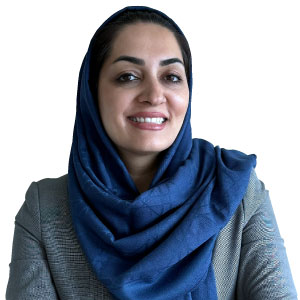
Generalized anxiety disorder · Social anxiety disorder · Panic disorder
You do not need to identify a diagnosis or choose a therapist alone before asking for support.
In a free 15-minute assessment, describe your anxiety or stress symptoms, language preference, current location and practical needs.
SimiaRoom recommends available therapists whose listed specialties and approach are relevant to the concerns you shared.
Meet in Farsi, agree on initial goals and work with your therapist on the patterns affecting your body, decisions and daily life abroad.
Stress is often connected to a specific pressure and may reduce when that situation changes. Anxiety can continue without an immediate threat and may involve persistent worry, physical symptoms or avoidance.
Possible signs include hard-to-control worry, irritability, restlessness, muscle tension, sleep changes, difficulty concentrating, repeated checking, avoidance and panic-like episodes. Symptoms vary, and a qualified professional can assess what they mean in your situation.
Yes. Visa uncertainty, cultural adjustment, language pressure, distance from family and changes in work or social support can add to anxiety and stress. Immigration anxiety may be one part of a broader anxiety pattern rather than the only cause.
Practical stability does not always switch off a stress response built during months or years of uncertainty. Anxiety may also be linked to perfectionism, health, relationships, work, earlier experiences or a clinical anxiety disorder—not only immigration.
Consider professional support when anxiety is difficult to control, continues for weeks, disrupts sleep or concentration, leads to avoidance, or affects work, study, relationships or daily functioning.
Online therapy may help you understand triggers, change unhelpful worry patterns, reduce avoidance and develop more effective responses to stress and uncertainty. Results vary and depend on your needs, treatment plan, therapeutic relationship and participation.
CBT is a research-supported psychotherapy commonly used for anxiety. A therapist can assess whether CBT, another approach or a combination is appropriate for your symptoms and goals.
SimiaRoom offers online anxiety therapy in Farsi for Iranians living abroad. Speaking in your preferred language can make it easier to describe emotions, physical symptoms and culturally specific experiences. Availability depends on your current location, the therapist's professional scope and applicable regulations.
A Persian-speaking therapist can provide therapy in the language in which you feel most comfortable and may better understand Iranian cultural references, family dynamics and migration experiences. Language and cultural familiarity can support communication, but the therapist's qualifications, relevant experience and therapeutic fit also matter.
The best fit depends on your symptoms, goals, preferred therapy approach, current location, schedule and how comfortable you feel with the therapist. Review each therapist's qualifications and areas of expertise, then use SimiaRoom's free pre-session assessment to identify a suitable available match.
SimiaRoom works with Iranians living in many countries, including the United States, Canada, European countries and Australia. Session availability can vary according to your exact location, time zone, the therapist's professional scope and local requirements, so these details are confirmed during the pre-session assessment.
The free assessment covers your symptoms, language preference, current location and practical needs. SimiaRoom then recommends available therapists with relevant listed specialties.
If there is an immediate risk of harm, a medical emergency, severe disorientation or an inability to stay safe, contact emergency services or an appropriate crisis service in your current country. SimiaRoom is not an emergency service.
Start with a free 15-minute assessment. Tell us what is affecting your life abroad, and SimiaRoom will help you explore a Persian-speaking therapist match based on your needs and location.
Book your free assessment